I remember when Deep Blue beat Garry Kasparov in 1997. A computer had beaten chess. I watched AlphaGo beat Lee Sedol in 2016. Other games were beaten: Poker, StarCraft II.
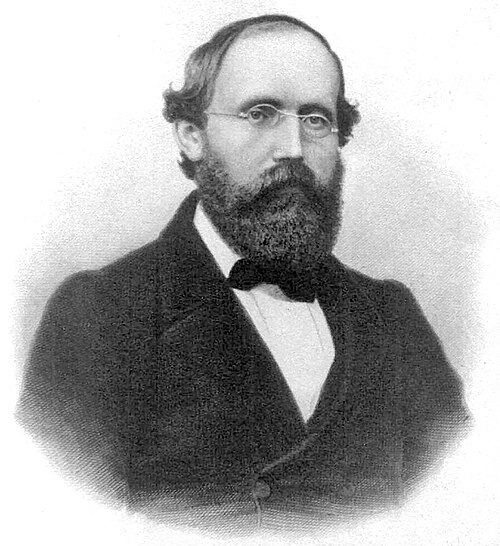
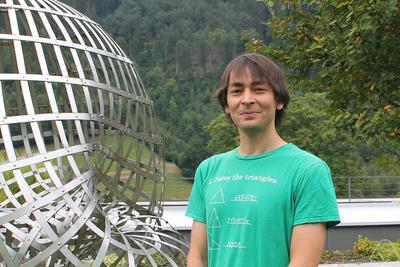
Today a computer beat maths. Claude (with help from the magnificently named mathematician Levent Alpöge) has apparently proved the Riemann Hypothesis. Alpöge has written a short remark about the proof.
Only last week Terence Tao was saying that he thought OpenAI and Anthropic had probably thrown huge undisclosed resources at proving the Riemann Hypothesis because it’s such a symbol and that the fact that it still stood perhaps meant that there was something special about it. Perhaps it will need a totally different approach. One week later it’s all over.
I think there are more parallels with chess and go. In 1997, a chess-playing computer was seen as the ultimate example of artificial intelligence. (It’s interesting how perspectives have changed - today we tend to think Deep Blue was pure compute power, with no intelligence at all.) When DeepMind was beating go and shogi and video games, that too seemed like the pinnacle of AI at the time.
It seems like a sad moment, but perhaps there is cause for optimism too. When Kasparov had been beaten, a lot of commentators said it was the death of chess. That humans would cease to play. That the computer had won. But today chess is more popular, by far, than ever before. Perhaps our reasons for playing chess are different than in the 90s. We play because we want to. We play because of how it makes our brains feel when we think hard. We know the computer plays better, but we don’t mind. Maybe the future of maths is the same.
Photo of Levent Alpöge by Marlene Ruf, Oberwolfach Photo Collection, CC BY-SA 2.0 DE.